

 Payment in 4 parts with no fees via PayPal, take advantage of this!
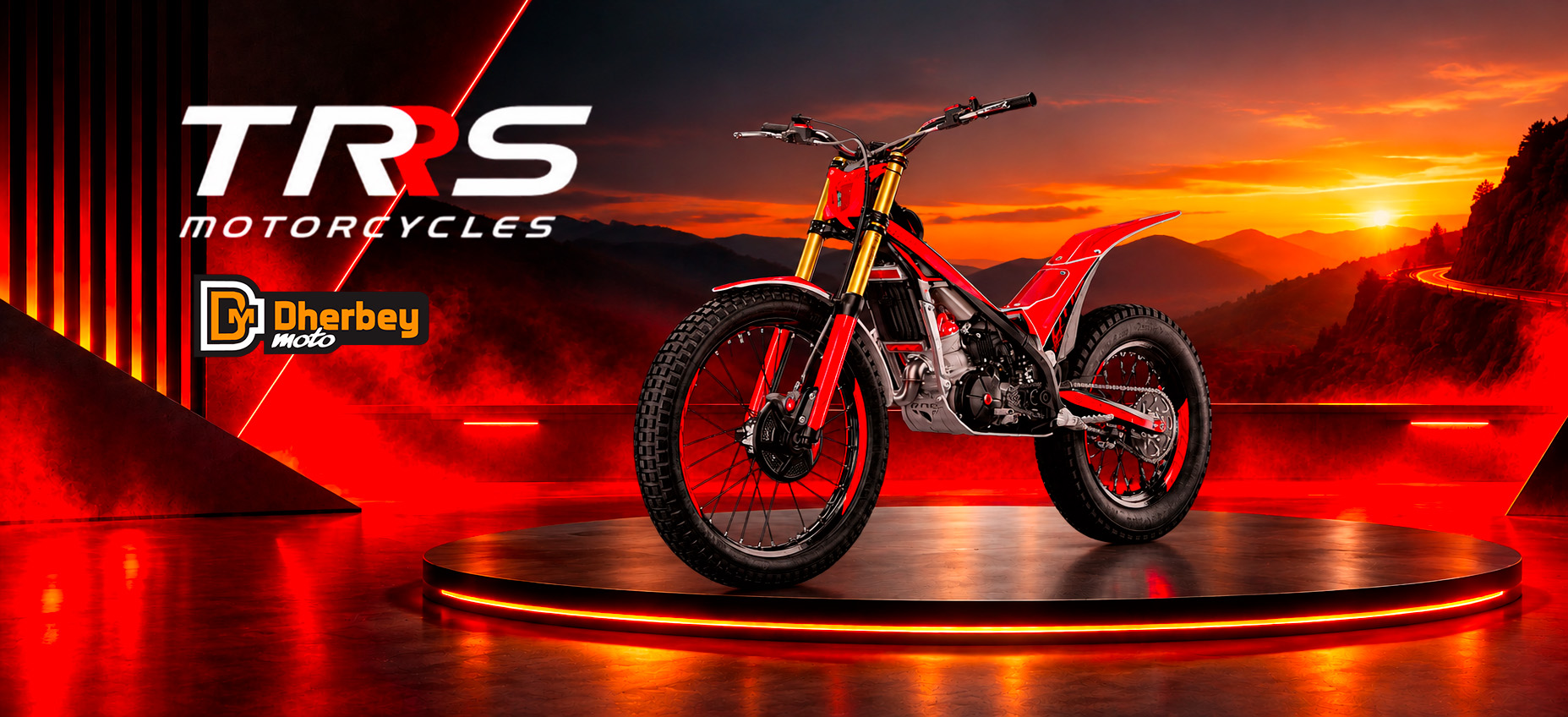
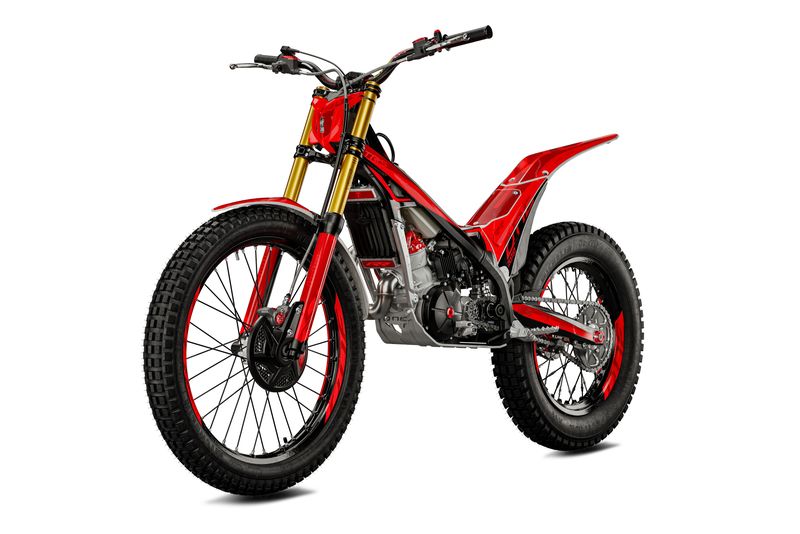
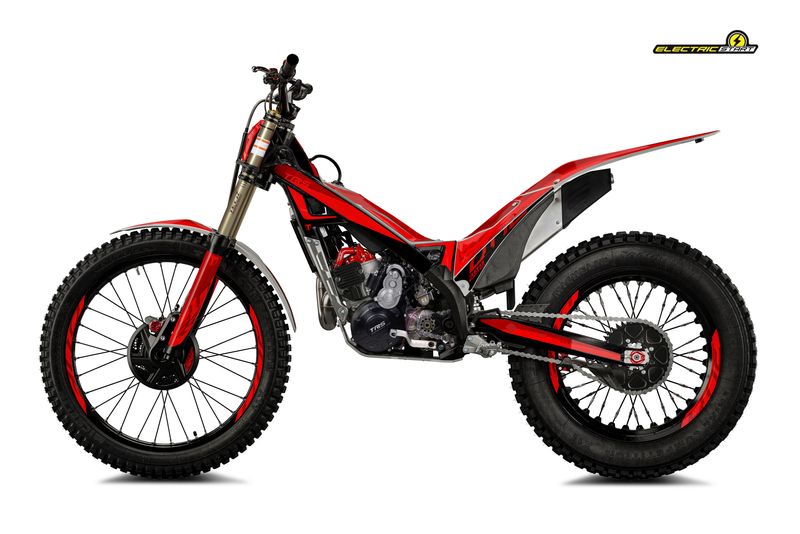
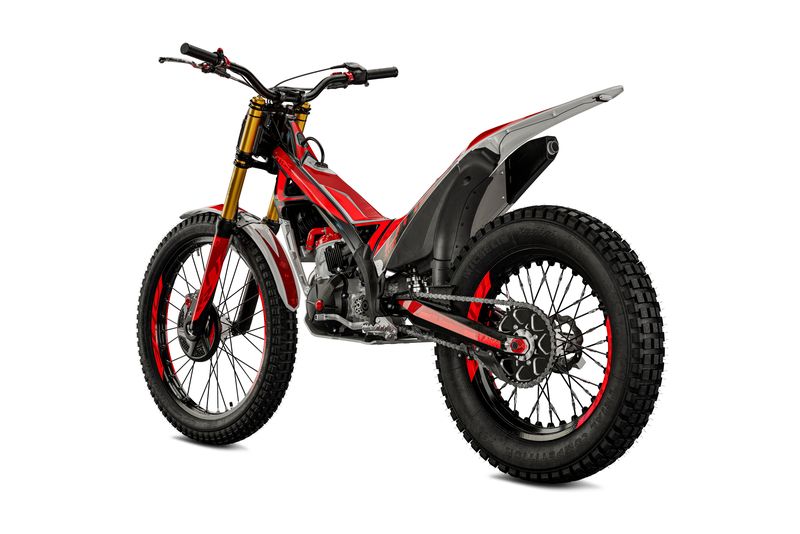
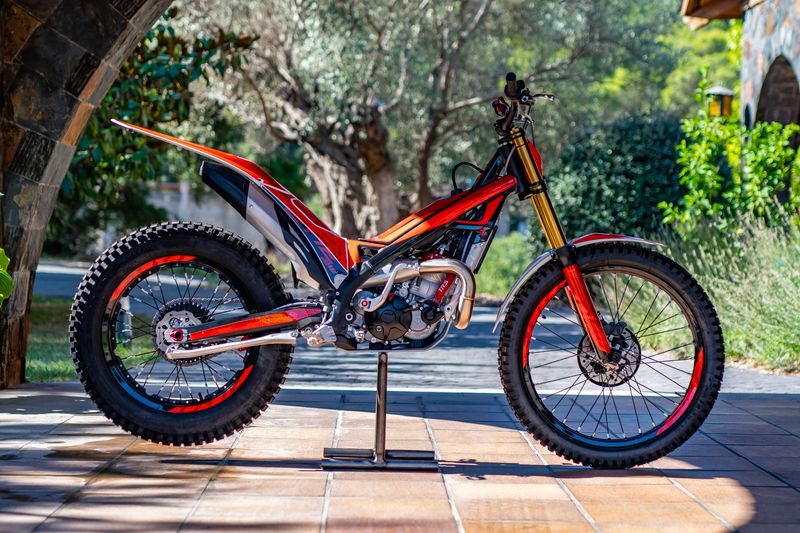
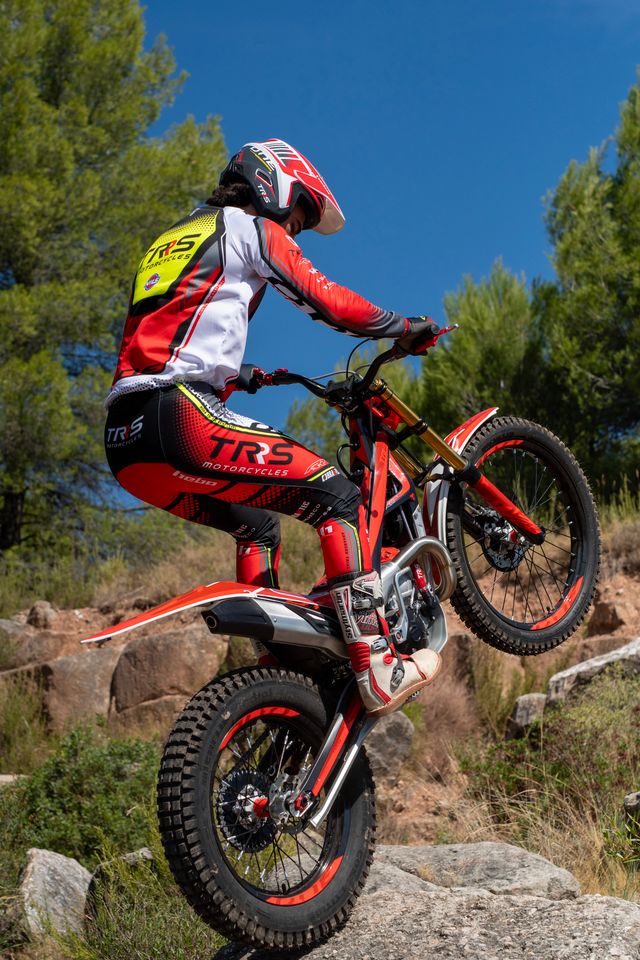
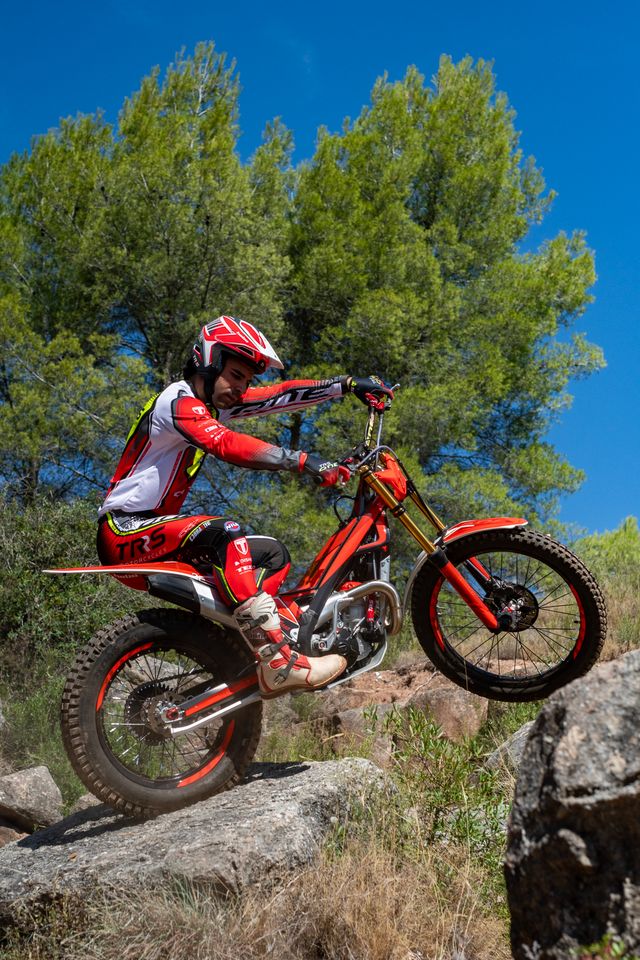
TRRS presents the new ONE RR 2027, the culmination of two years of evolution and the starting point of a new generation for the Spanish brand.
Following the major mechanical evolution introduced last year, TRRS completes the work with an aesthetic redesign that consolidates this new generation.
Season after season, the ONE RR has established itself as the best-selling model in the range, thanks to its balance between performance, precision and ease of riding.
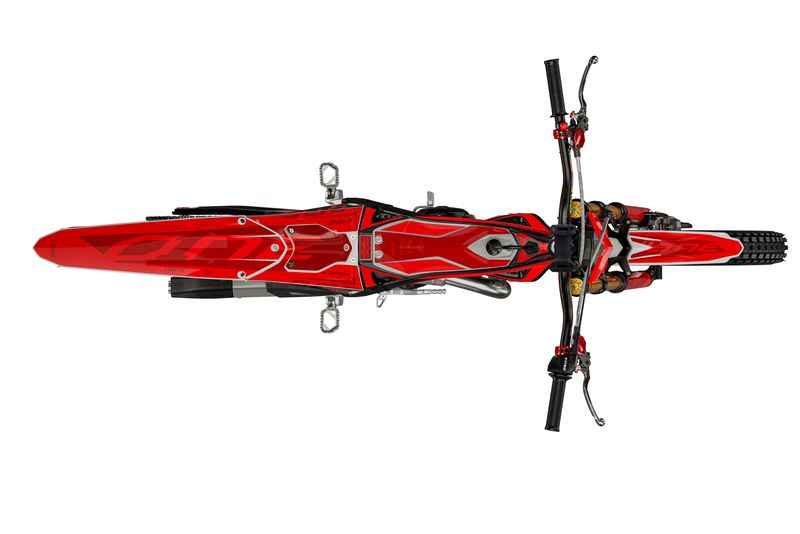
For 2027, TRRS retains the advanced power unit introduced last season and brings a series of targeted technical developments. The main visible novelty, however, concerns its aesthetics, with a completely renewed graphic identity.
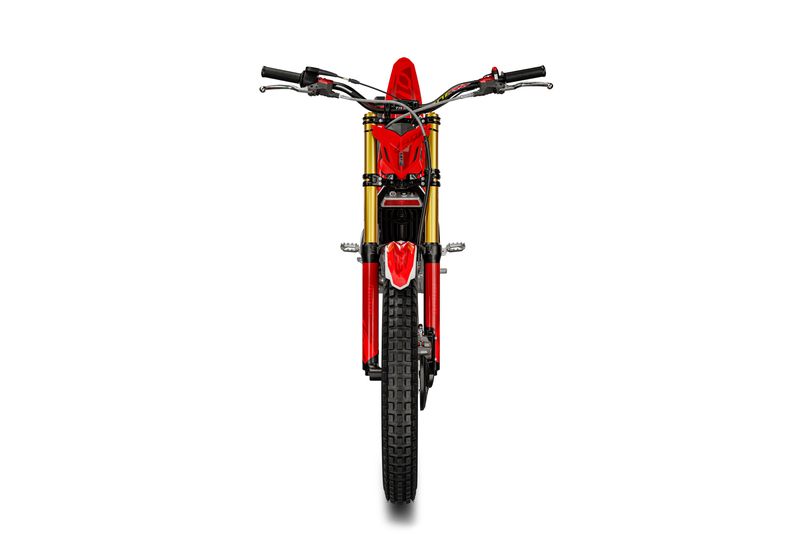
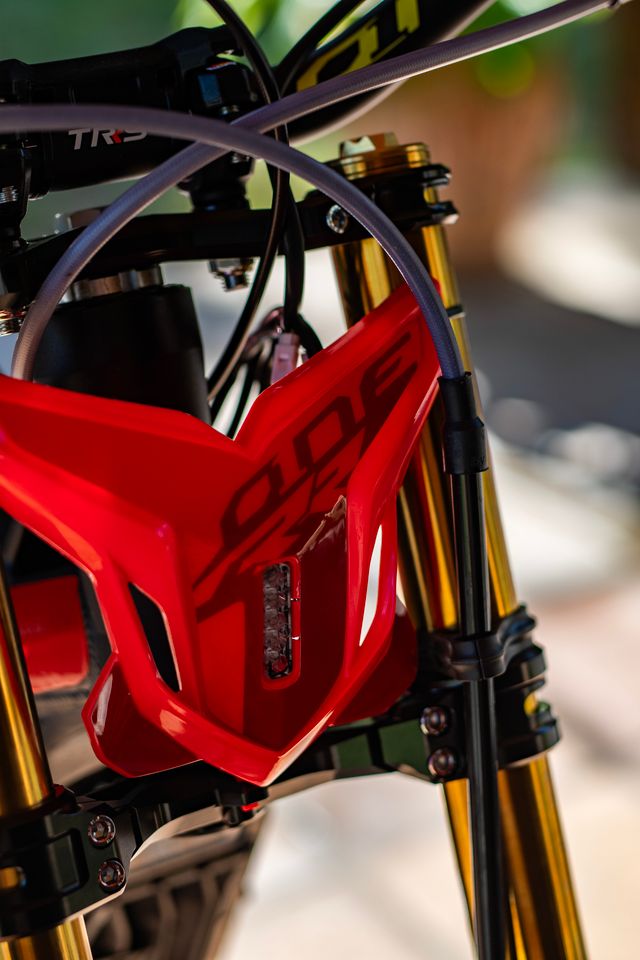
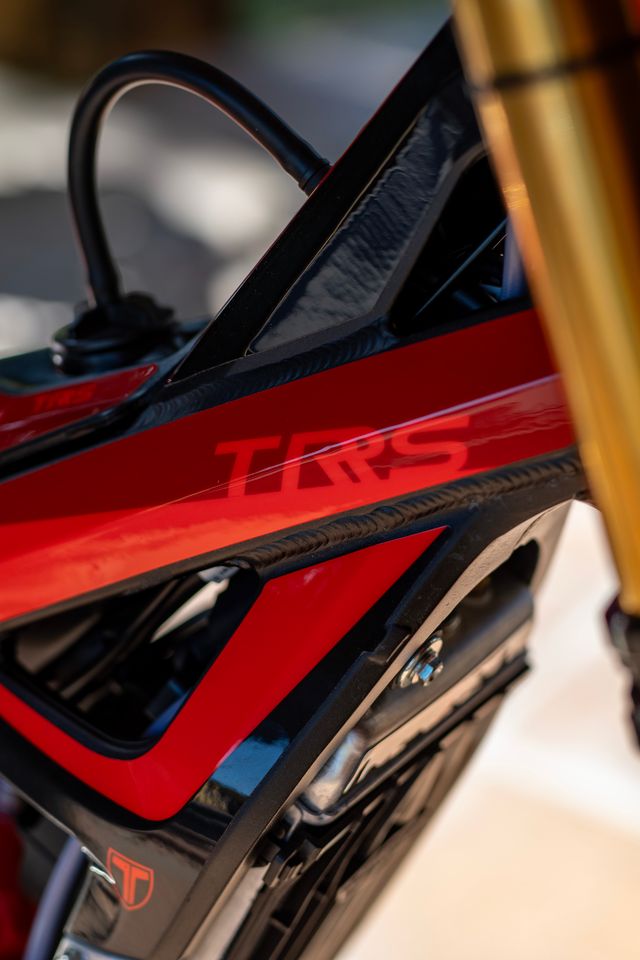
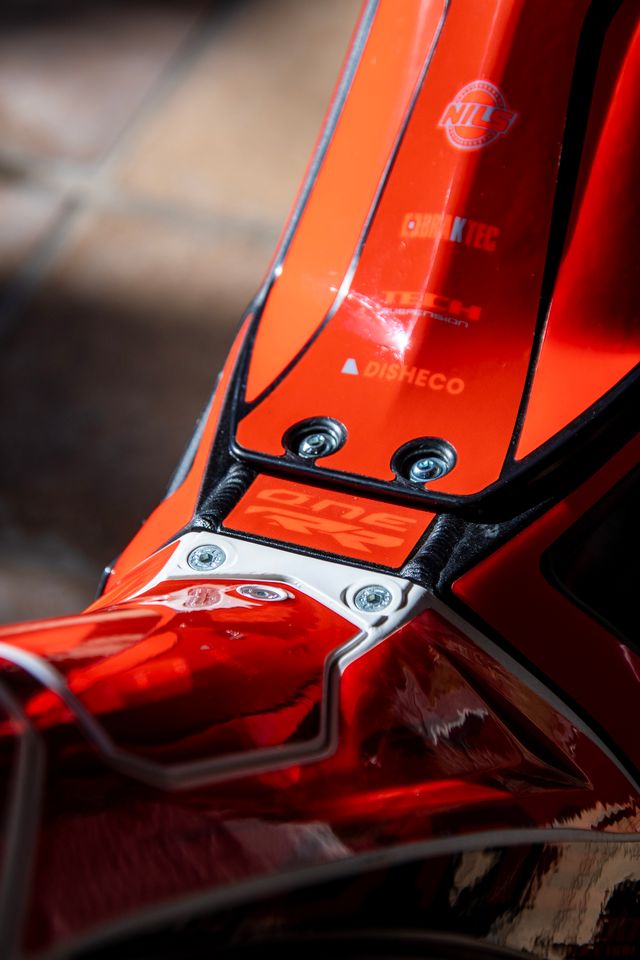
The main novelty of the 2027 model year is immediately visible: the range adopts a completely renewed image, with a new graphic design intended to reinforce its sporting character and identity.
This aesthetic evolution therefore complements the major mechanical modifications introduced previously.
The ONE RR 2027 retains the advanced power unit introduced last season, designed to provide precise response, progressive power delivery and maximum performance whatever the conditions encountered.
The TRS cylinder features optimized transfer ports and enlarged water passages to improve cooling. It also receives a new cylinder head with a realigned water hose outlet and a revised angle, as well as a reinforced inner cylinder-head insert.
This configuration is available in 250 cc and 300 cc. The crankcases have also been developed to achieve better weight distribution and improved motorcycle balance.
TRRS retains an important feature of its range: the possibility of choosing between carburetion and electronic fuel injection.
Both versions can also be selected with electric start or kick start, giving each rider the possibility of configuring their ONE RR according to their preferences and needs.
On the fuel-injected version, the TRS throttle body is combined with a new dedicated throttle cable, designed to provide more progressive control and a more linear response.
The fuel tank also allows direct viewing of the fuel level and incorporates the fuel pump.
TRRS Injection and TRRS Carburetion therefore continue to coexist within the range, with the aim of offering each rider the solution best suited to their riding style and mechanical preferences.
The controls are also among the 2026–2027 developments.
The rear brake pedal tip is positioned further back to provide more precise rear-brake control, while the gear-selector tip has been redesigned. This is a more precise wording than that used in the English version, which could suggest that the entire brake lever had been repositioned.
The chassis benefits from a forged cylinder brace as well as new-generation chassis and radiator arms.
TRRS also adopts new upper and lower triple clamps. Their design reduces the overall weight of the assembly while creating an aesthetic difference compared with the previous version.
At the rear, the shock absorber linkage is made from forged aluminium with an anodized finish. TRRS states that this component provides increased rigidity and durability.
The intake manifold incorporates temperature and pressure sensors, enabling efficient and precise real-time management of the air-fuel mixture. This is a component directly related to the motorcycle's fuel-management system.
The radiator assembly evolves with a new radiator, a redesigned protector, a fan bracket and a new-generation fan.
These are complemented by a rubber CDI mount and a new silent-block system, designed to improve support for the assembly and vibration isolation. The water pump, meanwhile, adopts a needle-cage-free design, which, according to TRRS, improves the stability and durability of shaft rotation.
The three-phase electrical system includes a new magneto flywheel, a stator, a pickup sensor, the electrical installation, a three-phase regulator and a redesigned regulator bracket.
The press release therefore does not present the three-phase system itself as new: it is notably the magneto flywheel that is explicitly described as new, while the regulator bracket has been redesigned.
For the fuel-injected version, TRRS also adopts a dedicated battery cover for the injection system, together with a new, lighter battery pack offering greater energy efficiency.
The starter motor and its machined support are designed to provide greater reliability and robustness.
The lower protection also evolves, with an engine guard adapted to the advanced power unit, described as more resistant and featuring optimized mounting.
TRRS also specifies that a dedicated improvement has been made to the ignition system for the 125 cc displacement, in order to increase reliability and performance.
Finally, the fuel-injected version features the TEXA diagnostic platform.
With the ONE RR 2027, TRRS thus completes a two-year cycle of evolution. Following the major mechanical modifications introduced previously, the new graphic identity gives the 2027 model year its own distinctive character.
At the same time, the developments made to the chassis, controls, cooling system, rear suspension and various electrical components continue the technical development of the ONE RR.
The philosophy, however, remains clearly identifiable: maintaining the balance between performance, precision and ease of riding that has enabled the ONE RR to become the best-selling model in the range.
And with TRRS Injection and TRRS Carburetion continuing to coexist, combined with the choice between electric start and kick start, TRRS maintains a wide range of configuration options so that each rider can choose the solution that best suits their riding and mechanical preferences.
Menu
Filters